
Decision Notes

Shoulder seasons are the real passive solar risk
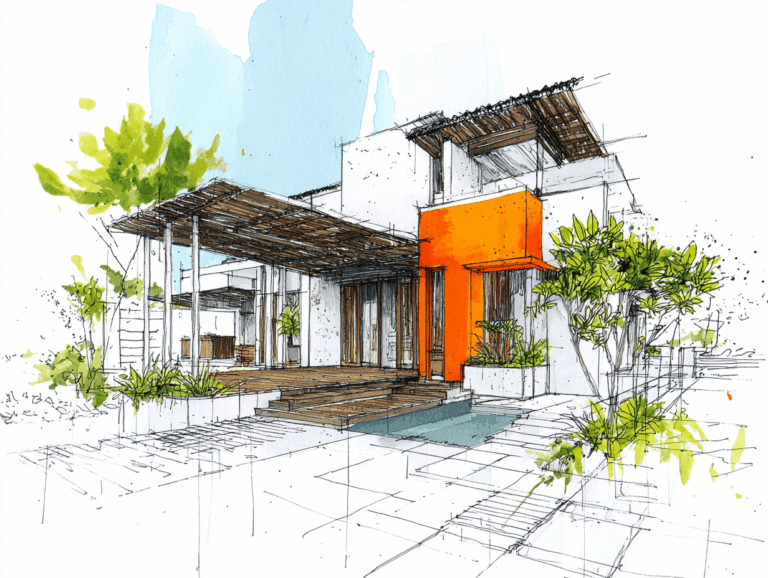
passive solar shoulder seasons

The critical insight If a passive solar strategy cannot maintain comfort during spring and autumn, it will fail more often than it succeeds. This problem becomes even more severe when combined with misapplied thermal mass, which often stores these gains…
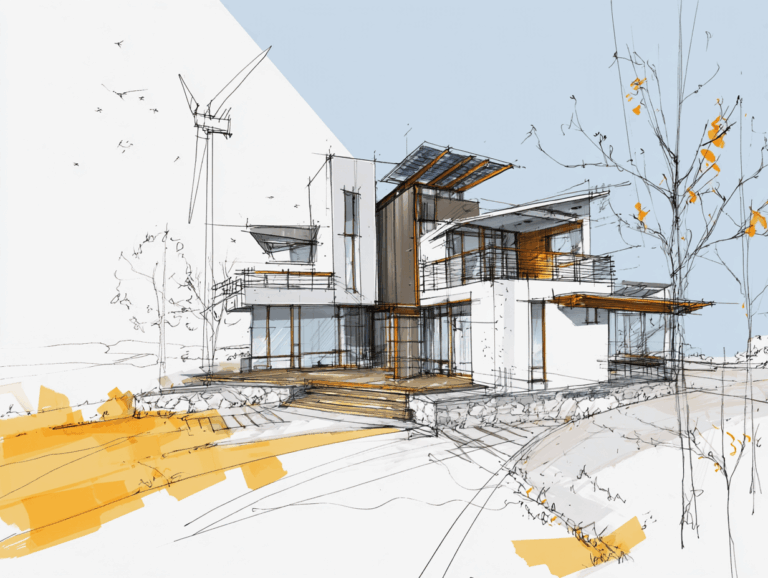
When thermal mass makes overheating worse

The critical insight Thermal mass improves passive solar performance only when its ability to release heat exceeds its ability to capture it. If capture dominates release, mass increases thermal stress and pushes control into a reactive mode. Where thermal mass…

More glazing is rarely the answer

Context When passive solar performance is disappointing, the instinctive response is often to increase glazing area. More glass is expected to: In practice, increasing glazing is one of the most common ways passive solar design fails. Not because glazing is…

Why passive solar design fails in mixed climates

Context Mixed and temperate climates are often perceived as “ideal” for passive solar design. Winters are not extreme, summers are manageable, and solar availability appears sufficient. In practice, these climates produce some of the highest failure rates for passive solar…