
Benefits of Passive Solar Design: Comfort, Efficiency, and Climate-Responsive Homes
The benefits of passive solar design go beyond lower energy use. A well-designed passive solar building can feel more comfortable, use daylight more effectively, reduce unnecessary heating and cooling demand, improve resilience, and create a stronger connection between architecture and climate.
Passive solar design uses the building itself to manage sunlight, heat, air, and comfort. Instead of relying first on mechanical systems, it starts with orientation, windows, thermal mass, insulation, shading, ventilation, and climate-responsive planning.
This guide explains the main benefits of passive solar design, where those benefits come from, when they are most realistic, and what limitations homeowners and designers should understand. If you are new to the topic, start with what passive solar architecture is and passive solar design principles.
What Is Passive Solar Design?
Passive solar design is a building design approach that uses sunlight, orientation, windows, thermal mass, insulation, shading, and ventilation to improve indoor comfort and reduce unnecessary energy demand.
In a passive solar home, sunlight may enter through properly placed windows during colder periods and warm interior thermal mass such as concrete, brick, stone, tile, or masonry. That stored heat can then be released later as indoor temperatures fall. In warmer periods, shading, ventilation, insulation, and glazing control help reduce unwanted heat gain.
The main passive solar design elements include:
- Solar orientation
- Solar-facing windows
- Thermal mass
- Insulation and airtightness
- Roof overhangs and exterior shading
- Natural ventilation
- Passive cooling strategies
- Climate-responsive design
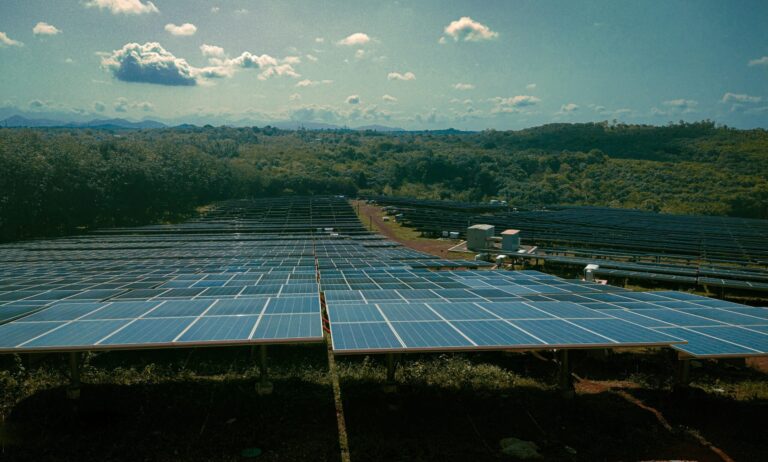
Passive solar design is not the same as solar panels. Solar panels are active technology that generate electricity. Passive solar design uses the building’s architecture and materials to manage heat and light.
Why the Benefits Matter
The benefits of passive solar design matter because buildings affect comfort, energy use, cost, and environmental impact for decades. Decisions about orientation, windows, insulation, shading, roof form, room layout, and materials are often made early in a project. Once the building is constructed, these decisions are difficult to change.
Passive solar design can help a project become more comfortable and energy-aware before expensive equipment is added. This matters because the best energy strategy is often to reduce the building’s demand first, then use efficient mechanical systems and renewable energy where appropriate.
The U.S. Department of Energy explains that passive solar homes use properly oriented windows and thermal mass to collect and store solar heat. Those same principles support many of the benefits explained below.
Benefit 1: Better Thermal Comfort
One of the most important benefits of passive solar design is improved thermal comfort. A well-designed passive solar building can feel more stable because it uses heat storage, insulation, solar control, and ventilation to reduce temperature swings.
Comfort can improve through:
- Warm sunlight during colder periods
- Thermal mass that stores and releases heat
- Insulation that reduces heat loss
- Airtightness that reduces drafts
- Shading that prevents overheating
- Natural ventilation during mild weather
Good passive solar comfort is not about making one sunny room hot. It is about balancing heat gain, storage, retention, and control so spaces feel pleasant for more hours of the day.
For example, a concrete or tile floor warmed by winter sun can release heat later in the evening. This can make the room feel more stable than a lightweight room where sunlight causes quick overheating and quick cooling.
Benefit 2: Lower Heating Demand in Suitable Climates
Passive solar design can reduce heating demand in suitable climates, especially where winter sun is available and the building envelope is strong.
Heating demand may be reduced when:
- The building is well oriented
- Solar-facing windows are properly sized
- Thermal mass stores useful heat
- Insulation and airtightness reduce heat loss
- Windows have appropriate thermal performance
- Shading does not block useful winter sun
This benefit is strongest in cold sunny climates. In cold cloudy climates, passive solar heating may be less reliable, and the design may need to focus more on insulation, airtightness, and high-performance windows.
It is important to avoid unrealistic claims. Passive solar design can reduce heating demand, but most homes still need backup heating for cloudy periods, extreme cold, long winter nights, and comfort control.
Benefit 3: Better Summer Heat Control
Passive solar design is often associated with winter heating, but one of its major benefits is better summer heat control. A well-designed passive solar building does not simply collect sun. It also blocks unwanted sun.
Summer comfort strategies may include:
- Roof overhangs
- Exterior shutters
- Awnings
- Louvers
- Reduced west-facing glass
- Exterior blinds
- Deciduous trees
- Cross ventilation
- Night flushing in suitable climates
- Roof insulation
In hot climates, the passive solar strategy may focus more on shade, ventilation, roof design, and reduced solar gain than winter heat collection. This is why passive solar design by climate is essential.
A passive solar home that ignores cooling can become uncomfortable, even if it performs well in winter. True passive solar design must address the full year.
Benefit 4: Improved Daylighting
Passive solar design can improve daylighting when windows are placed carefully. Good daylighting makes interiors feel brighter, more open, and more connected to the outdoors.
Daylighting benefits may include:
- More pleasant interior spaces
- Reduced need for artificial lighting during the day
- Better visual connection to outdoor conditions
- Improved usability of living and work areas
- More balanced interior brightness when designed well
However, daylight must be controlled. Too much direct sunlight can cause glare, overheating, fading, and visual discomfort. Good passive solar design uses window placement, shading, glass selection, room depth, and interior finishes to bring in useful light without creating problems.
The future guide to daylighting in passive solar design should explore these relationships in more detail.
Benefit 5: Better Energy Efficiency
Passive solar design supports energy efficiency by reducing the amount of heating, cooling, and lighting a building may need. It does this through design before equipment.
Energy efficiency may improve through:
- Useful winter solar gain
- Thermal mass heat storage
- Reduced heat loss through insulation
- Reduced air leakage through airtightness
- Reduced cooling load through shading
- Improved daylighting
- Better building orientation
- Climate-responsive materials
Passive solar design works best when combined with a strong building envelope. Organizations such as Phius emphasize insulation, airtightness, thermal bridge reduction, high-performance windows, and ventilation in low-energy buildings. These principles support passive solar architecture as well.
Energy efficiency is not created by solar gain alone. It comes from the whole building system.
Benefit 6: Potentially Lower Operating Costs
One of the practical benefits of passive solar design is the potential for lower operating costs. If the home needs less heating, cooling, or artificial lighting, utility costs may be reduced over time.
Potential cost benefits depend on:
- Local energy prices
- Climate
- Building size
- Window performance
- Insulation quality
- Construction quality
- Mechanical system efficiency
- Occupant behavior
Passive solar design should not be sold with guaranteed savings unless the project has detailed energy modeling or measured performance data. However, reducing heating and cooling loads can reasonably support lower operating costs in many well-designed buildings.
Some passive solar strategies, such as better orientation and smarter room layout, can be low-cost when included early. Other strategies, such as high-performance windows, added insulation, or specific thermal mass materials, may increase upfront costs but improve comfort and performance.
Benefit 7: Greater Comfort Resilience
Passive solar design can improve comfort resilience. A well-insulated, well-oriented home with useful thermal mass may remain comfortable longer during power outages or mechanical system interruptions than a poorly designed building.
Resilience may improve through:
- Better heat retention in cold weather
- Reduced overheating through shading
- Thermal mass that slows temperature swings
- Natural daylight during daytime hours
- Ventilation options during mild weather
- Reduced dependence on mechanical systems for every comfort condition
This does not mean passive solar homes are completely independent or safe in all extreme conditions. Backup systems, safety planning, and local climate realities still matter. But passive solar design can make a home less fragile because the building itself contributes to comfort.
Benefit 8: Reduced Load on Mechanical Systems
Passive solar design can reduce the load on heating and cooling systems. When the building envelope, orientation, shading, and thermal mass are designed well, mechanical systems may not need to work as hard.
This can support:
- More efficient heating and cooling operation
- Better HVAC sizing
- Reduced peak loads
- Improved comfort distribution
- Lower stress on mechanical equipment
However, HVAC systems should not be undersized based only on optimism. Mechanical system sizing should be based on proper load calculations, local climate, envelope performance, window specifications, ventilation needs, and professional design review.
Passive solar design and mechanical systems should work together. The building reduces demand, and the mechanical system provides reliable comfort when passive strategies are not enough.
Benefit 9: Stronger Sustainable Design Foundation
Passive solar design supports sustainable architecture because it reduces energy demand through design intelligence rather than relying only on equipment.
A sustainable building should not depend on technology alone to compensate for poor orientation, weak insulation, excessive glass, or lack of shading. Passive solar design encourages better decisions at the architectural level.
It supports sustainable design by encouraging:
- Climate-responsive planning
- Smarter use of local sun and shade
- Reduced energy demand
- Durable envelope design
- Efficient use of materials
- Better daylighting
- Reduced mechanical dependence where possible
Passive solar design can also work well with active solar systems. A home that needs less energy may be easier to support with solar panels or other renewable technologies.
Benefit 10: Better Design Decisions Early
One underrated benefit of passive solar design is that it improves the design process itself. It forces important questions to be asked early.
Passive solar thinking asks:
- Where is the sun in winter and summer?
- Which rooms should receive the best daylight?
- How much glass is appropriate?
- Where will heat be stored?
- How will overheating be prevented?
- How strong is the building envelope?
- How does climate change the design?
These questions improve architecture. Even when a project does not become a full passive solar home, passive solar thinking can lead to better orientation, better window placement, better shading, and better comfort.
The passive solar design checklist can help homeowners and designers review these decisions before they become expensive to change.
Important Limitations
The benefits of passive solar design are real, but they are not automatic. Poorly designed passive solar homes can overheat, lose heat, create glare, or feel uncomfortable.
Important limitations include:
- Passive solar design depends on local climate.
- Solar access may be limited by trees, hills, or buildings.
- Too much glass can create heat loss and overheating.
- Thermal mass must be exposed and useful.
- Shading must be designed for the correct seasons.
- Most homes still need backup heating and cooling.
- Humidity can complicate passive cooling strategies.
- Real performance depends on construction quality.
Passive solar design should be presented as a practical building strategy, not a miracle solution. It works best when supported by qualified design, climate analysis, and good construction.
Benefits Comparison Table
| Benefit | How Passive Solar Design Helps | Best Conditions | Main Limitation |
|---|---|---|---|
| Thermal comfort | Uses mass, insulation, shading, and ventilation to stabilize conditions | Integrated design with climate awareness | Poor balance can cause overheating or heat loss |
| Lower heating demand | Collects and stores useful winter solar gain | Cold sunny climates with good envelope design | Less reliable in cloudy climates |
| Summer control | Uses shading and ventilation to reduce unwanted heat | Well-designed overhangs and exterior shading | Weak shading can create overheating |
| Daylighting | Places windows for useful natural light | Balanced glazing and glare control | Too much direct sun can cause glare |
| Energy efficiency | Reduces heating, cooling, and lighting demand | Strong envelope and good orientation | Benefits depend on construction quality |
| Lower operating costs | May reduce energy use over time | Good design and suitable climate | Savings are not guaranteed without modeling or data |
| Resilience | Building itself contributes to comfort | Insulated homes with mass and shading | Still needs backup systems in most cases |
Practical Example: Passive Solar Benefits in a Family Home
Imagine a family building a home in a cold, sunny region. The design places the living room, kitchen, and dining area on the south side in the Northern Hemisphere. The south-facing windows are sized carefully, and winter sun reaches a tile-over-concrete floor.
The roof overhang is designed so high summer sun is blocked, while low winter sun enters. The walls and roof are well insulated. West-facing glass is limited. Operable windows support cross ventilation during mild weather.
The benefits are practical. The main living area receives good daylight. Winter sun warms the floor during clear days. The thermal mass reduces temperature swings. The insulation helps retain comfort after sunset. The overhang reduces summer heat gain. The mechanical heating system still exists, but it does not need to work as hard during favorable conditions.
This example shows that passive solar benefits come from coordination, not from one isolated feature.
Common Mistakes That Reduce Passive Solar Benefits
1. Adding Too Much Glass
Large windows can create heat loss, glare, and overheating if they are not balanced with thermal mass, shading, and glazing performance.
Better approach: Size windows by orientation, climate, and room use.
2. Ignoring Thermal Mass
Solar gain without heat storage can create quick overheating and quick cooling.
Better approach: Use exposed concrete, tile, brick, stone, or masonry where solar gain enters.
3. Forgetting Summer Shading
A house designed only for winter solar gain may become uncomfortable in summer.
Better approach: Include roof overhangs, exterior shading, and passive cooling strategies.
4. Weak Insulation and Air Leaks
Solar heat is useful only if the building can retain it.
Better approach: Prioritize insulation, airtightness, and high-performance windows.
5. Copying a Design From Another Climate
Passive solar strategies must be adapted to local conditions.
Better approach: Design for your specific climate, not someone else’s.
6. Expecting Passive Solar to Replace All Systems
Most homes still need heating, cooling, ventilation, or humidity control systems.
Better approach: Use passive solar design to reduce loads and improve comfort, then size mechanical systems appropriately.
Mini Case Study: From Overheating to Balanced Comfort
A homeowner wants a passive solar living room and chooses large south-facing windows with a dark floor. The room receives plenty of winter sun, but it overheats on clear days and feels cold after sunset.
A design review finds several issues. The windows are oversized, the floor is not enough thermal mass for the solar gain, the glass loses heat at night, and there is no proper summer shading. The west-facing windows also add afternoon heat.
The revised design reduces some glazing, improves window performance, exposes more useful thermal mass, adds exterior shading, and improves insulation. The result is not as visually dramatic, but it is more comfortable.
The case shows that passive solar benefits depend on balance. More sun does not automatically mean better comfort.
Tips for Homeowners
- Think about passive solar design before choosing a house plan.
- Ask how the home will perform in both winter and summer.
- Do not assume large windows are always better.
- Ask where thermal mass will be located.
- Make sure shading is designed before construction.
- Prioritize insulation and airtightness.
- Use passive solar examples as inspiration, not templates to copy.
- Plan for backup heating and cooling.
- Review your climate before choosing a strategy.
- Use the passive solar design checklist before finalizing plans.
Tips for Architects and Designers
- Explain benefits realistically, without promising guaranteed savings.
- Start with site and climate analysis.
- Coordinate glazing with thermal mass and shading.
- Design for summer comfort as carefully as winter solar gain.
- Use energy modeling for complex or high-performance projects.
- Coordinate passive strategies with HVAC sizing.
- Document occupant operation assumptions.
- Explain trade-offs between views, glass area, heat gain, and comfort.
- Use passive solar design to improve architecture, not just performance metrics.
- Connect material choices to climate and durability.
FAQ About the Benefits of Passive Solar Design
What are the main benefits of passive solar design?
The main benefits of passive solar design include improved comfort, reduced heating demand in suitable climates, better daylighting, summer heat control, potential operating cost savings, and stronger climate-responsive design.
Does passive solar design save energy?
It can reduce energy demand when designed well. Actual savings depend on climate, orientation, window performance, insulation, thermal mass, shading, mechanical systems, and occupant behavior.
Can passive solar design eliminate heating?
Usually, no. Passive solar design can reduce heating demand, but most homes still need backup heating for cloudy periods, extreme cold, long winter nights, and comfort control.
Does passive solar design help in summer?
Yes, when shading, ventilation, glazing control, insulation, and passive cooling strategies are included. Poor passive solar design can overheat in summer if solar control is ignored.
Is passive solar design expensive?
Some strategies, such as orientation and room layout, can be low-cost when planned early. Other strategies, such as high-performance windows or added insulation, may increase upfront cost but can improve comfort and performance.
What climate benefits most from passive solar design?
Cold sunny climates often show strong passive solar heating potential. However, passive solar principles can benefit many climates when adapted properly. In hot climates, shading and passive cooling may be more important than heat collection.
Is passive solar design the same as solar panels?
No. Solar panels generate electricity. Passive solar design uses the building’s orientation, windows, materials, shading, insulation, and ventilation to manage heat and comfort.
Can passive solar design improve daylight?
Yes. Good passive solar design often improves daylighting, but windows must be placed and shaded carefully to avoid glare and overheating.
Are passive solar homes more comfortable?
They can be more comfortable when designed well. Comfort depends on balanced solar gain, thermal mass, insulation, shading, ventilation, and climate-specific design.
What is the biggest benefit of passive solar design?
The biggest benefit is often better climate-responsive comfort. Energy savings may be important, but the daily experience of stable temperatures, daylight, and reduced overheating can be just as valuable.
Conclusion
The benefits of passive solar design include better comfort, lower heating demand in suitable climates, improved daylighting, reduced cooling loads through shading, stronger energy efficiency, potential operating cost savings, and greater resilience.
These benefits are not automatic. They depend on thoughtful design, local climate, good orientation, appropriate windows, exposed thermal mass, strong insulation, effective shading, controlled ventilation, and realistic expectations.
Passive solar design is most valuable when it is integrated early. Before adding technology, the building itself should be designed to work with the sun and climate. To continue learning, explore passive solar house design, passive solar design by climate, and passive solar calculations.